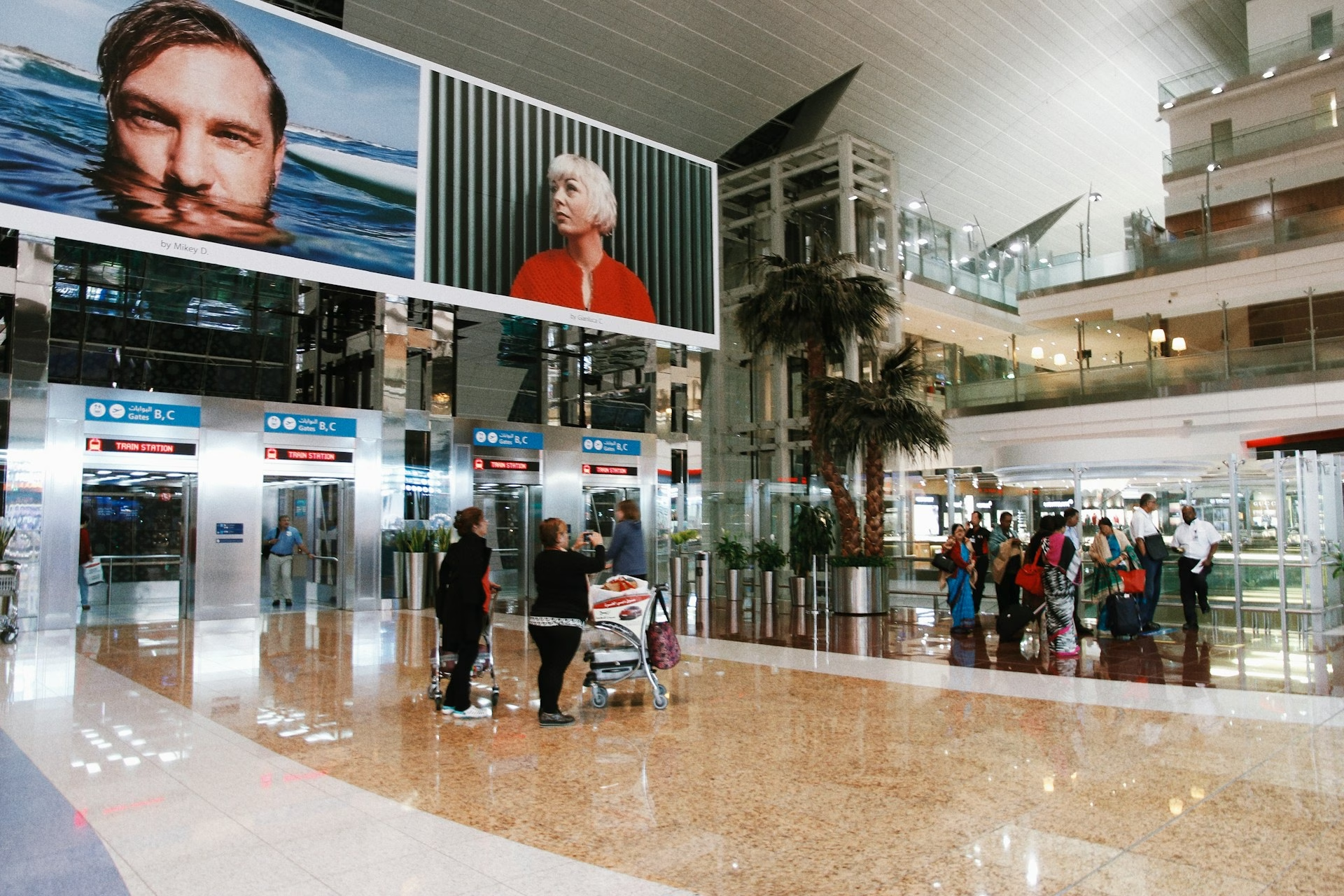
Airports are busy places where people are always going somewhere, often in a hurry. To keep everyone moving in the right direction, clear screens and signs matter quite a bit. That’s why LED video wall displays are a smart choice for airport terminals. They help show flight details, gates, directions, and updates where travelers need them most.
But not every display works well in that kind of space. Between bright sunlight, large crowds, and nonstop use, airport displays have to be strong, visible, and simple to keep updated. We look for specific features that make some screens work better than others in a place like this. Here’s what we focus on when choosing LED displays for airport use.
Durability That Stands Up to Heavy Use
Airport systems operate day and night. That means the screens in them do too. Displays in terminals can’t take breaks and don’t get turned off often, so they need to be made to last. Fragile materials just don’t hold up when thousands of people walk by or touch the same surfaces every day.
We look for screens built with sturdy parts that won’t wear out too quickly or fail just when they’re needed most. Cleanings happen often, especially near check-in counters or restrooms, so the screens need to hold up against regular cleaning without damage. We also factor in temperature changes, as areas near doors or windows might heat up during the day, then cool down fast at night. That constant shift can be rough on electronics unless they’re built for it.
• Screens should be made from commercial-grade parts, not just ones meant for occasional use
• Strong designs hold up better around crowds and in shared-use areas
• Rated displays for public spaces can last longer and cause fewer issues
Neoti’s LED video wall systems are engineered for high-traffic environments, offering robust components and all-in-one solutions designed specifically for 24/7 operation in demanding spaces like airport terminals.
Clear Viewing in Bright, Crowded Spaces
Airports are full of windows and natural light. That’s great for design but not always great for readability. When the sun comes through the terminal ceiling in the middle of the day, it can create a glare or wash out regular screens. Travelers need to quickly read gate changes and exit signs, even with all that sun or artificial light from above.
That’s why the right LED video wall displays have high contrast, even lighting, and wide viewing angles. These features help keep the text and images sharp no matter where someone is standing or what the lighting is like.
• Brightness levels should be adjustable to match the time of day
• Wide-angle clarity lets people read screens even while walking by
• High contrast helps important info pop out in crowded or backlit areas
Screen placement helps too. Overhead is great for main walkways, but eye-level screens near gates still need to shine through the background clutter. Placement planning is important, as large crowds and reflections can make some areas harder to read without a bright, strategic display.
Flexible Sizes and Shapes to Fit Different Zones
Every airport looks different. Some have large open areas with room for big screens and others have tight hallways, oddly shaped waiting rooms, or blended indoor-outdoor walkways.
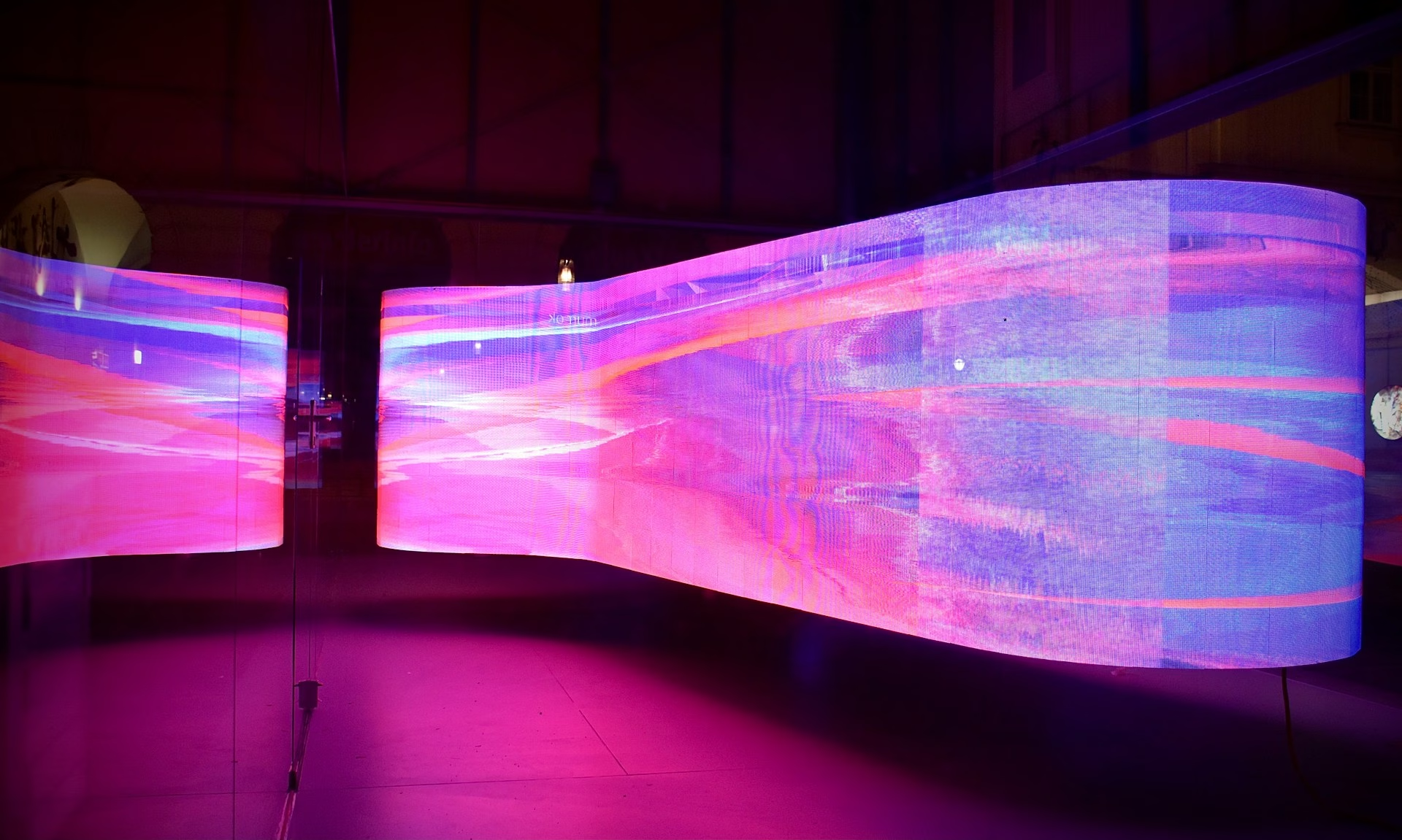
We work around those shape constraints by using modular panels. These can be connected in ways that fit curved walls, long columns, or slopes. Instead of always going with a big rectangle, we can stretch signs along a corridor or stack displays next to a stairwell. It’s all about fitting the screen to the space, not the other way around. Terminal design often changes as airports remodel or expand, so it helps to have display options that can move or grow along with the space, and modular LED panels are especially useful here.
• Curved panels work well around corners or hallways
• Column wraps place messages in high-traffic paths
• Long, narrow displays fit well above baggage belts or moving walkways
Having that flexibility means we don’t have to force one-size-fits-all screens into places where they don’t belong.
Neoti offers custom LED configurations and consulting to help airports select display sizes and shapes that optimize visibility and fit distinctive terminal designs.
Easy Updates and Live Information Sharing
Airport flight schedules change constantly. Weather delays, plane switches, and rerouted flights can all shift in a matter of minutes. If the display can’t keep up with those changes across the entire terminal, travelers end up confused or late.
It’s important that content management stays smooth and fast. The best systems let multiple screens show the same update at once or run different messages in different spots, depending on the need. This saves time and keeps information current without having to make fixed signs or print anything out.
• Teams need to push updates to multiple screens from one location
• Time-sensitive alerts should show instantly when needed
• Different terminals or wings may each need their own message displayed
This level of control matters, especially during busy travel periods or weather events, when every minute can make a real difference for arriving and departing passengers. Being able to adjust messages across various areas, whether near a check-in zone or a far gate, keeps things moving without delay.
Smart Design for Wayfinding and Passenger Experience
Beyond flights and delays, displays help guide people from arrival to ticketing, then through security and finally to their gate. If we can guide them clearly, they feel more at ease and make fewer wrong turns.
Visual direction can come in many forms. Arrows, symbols, and even color-coded paths can give just enough direction without needing a lot of words. For travelers who speak different languages or have sight limitations, good graphics go a long way. Especially in international airports, clear visual cues help bridge communication gaps and reduce crowding near help desks.
• Signs can show gate numbers, bathroom icons, or food areas with clear images
• Consistent use of symbols helps regular and first-time passengers find their way
• Displays placed near elevators, escalators, or customs checkpoints help smooth transitions
When people feel confident about where they’re heading, that’s better for them and for airport staff who don’t need to answer the same questions over and over. Screen clarity reduces confusion, so lines move faster and public spaces don’t clog up as often.
Helping Airports Stay Bright, Clear, and Organized
Making things easier to see helps make the whole travel process feel easier too. Good LED screens help passengers know where to go, when to board, and what’s going on without having to search for answers or stop a staff member to ask. That matters on early morning flights during winter or late-night connections when everyone’s tired.
The displays that work best are the ones that fit the space and always stay readable, even when the gates are packed. A well-placed screen that’s easy to update can be one of the smoothest tools for running a busy terminal. From gate changes to wayfinding to emergency messages, a good system keeps airports feeling calm and clear, even when things are busy. Taken together, all these qualities let screens help organize thousands of travelers every day, saving time and lowering stress for everyone.
At Neoti, we know how important it is for airport terminals to remain organized, clean, and calming, even during peak travel times. Our displays integrate with your space, providing sharp images no matter the lighting or time of day. We engineer our systems to handle demanding environments with bright screens, quick updates, and dependable performance. To see how our LED video wall displays help support airports of every size, contact us today.