Indoor lighting doesn’t always stay the same. Some mornings, bright sunlight pours in through the windows. By afternoon, it might be cloudy or gloomy. Inside buildings, lights switch on and off, people move things around, and the light in a room can shift without warning.
That’s why indoor displays have to keep up. Whether it’s a hallway screen, lobby sign, or meeting room monitor, the message has to stay easy to read no matter what the light looks like. We rely on displays to guide people, share updates, and keep things moving. If the screen is hard to read, important info might be missed.
Let’s look at how good indoor displays manage changing light and stay readable all day long.
Why Lighting Changes Inside Buildings
One reason lighting shifts during the day is because of natural light. Sunlight comes through windows, glass doors, and even skylights. This kind of light changes angle and brightness as the day goes on. What starts as a soft glow in the morning can turn into a direct beam by noon.
Artificial light adds more variety. Ceiling lights, desktop lamps, and nearby screens each create their own kind of brightness. And sometimes, they reflect right onto a display. One moment a screen looks perfect, and the next it’s full of glare.
Seasonal changes play a role too. In winter, the days are shorter, and the sun is lower in the sky, which means more shadows inside and sudden changes in brightness across a room.
• Skylights and large windows can create moving sun patches across walls and floors
• Indoor lights cast shadows or reflect differently at night versus during daylight
• Winter sunlight arrives later and disappears earlier, affecting indoor visibility
These shifts may not seem like a big deal until someone has to squint at a screen or miss a message in passing. That’s why light-aware design matters. Being aware of these daily and seasonal changes can help people plan for better indoor visibility and communication. Even the best information can be missed if screens are not visible when lighting shifts around them.
Screen Features That Improve Visibility
A good display doesn’t just show content clearly in perfect lighting. It should work just as well on overcast mornings and bright afternoons. To do that, the screen needs the right features that adjust to the room’s light throughout the day.
We look for screens with:
• Brightness levels that adjust on their own, rising when sunlight is strong and softening when the space is dim
• Anti-glare surfaces that keep reflections low, especially in spots where overhead lights point directly at the screen
• High contrast settings, which make the dark parts darker and the bright parts brighter, helping letters and images pop
• Bold, clear colors that hold their shape even under uneven lighting
When a screen adapts like this, it stays dependable. People do not have to worry about missing a message or an alert being hard to see. They just work, through breakfast shifts, afternoon meetings, and evening events. Whether the room is bright because of the sun or dim as lights are turned down, the right screen keeps the message easy to read. This means fewer headaches for everyone using the space.
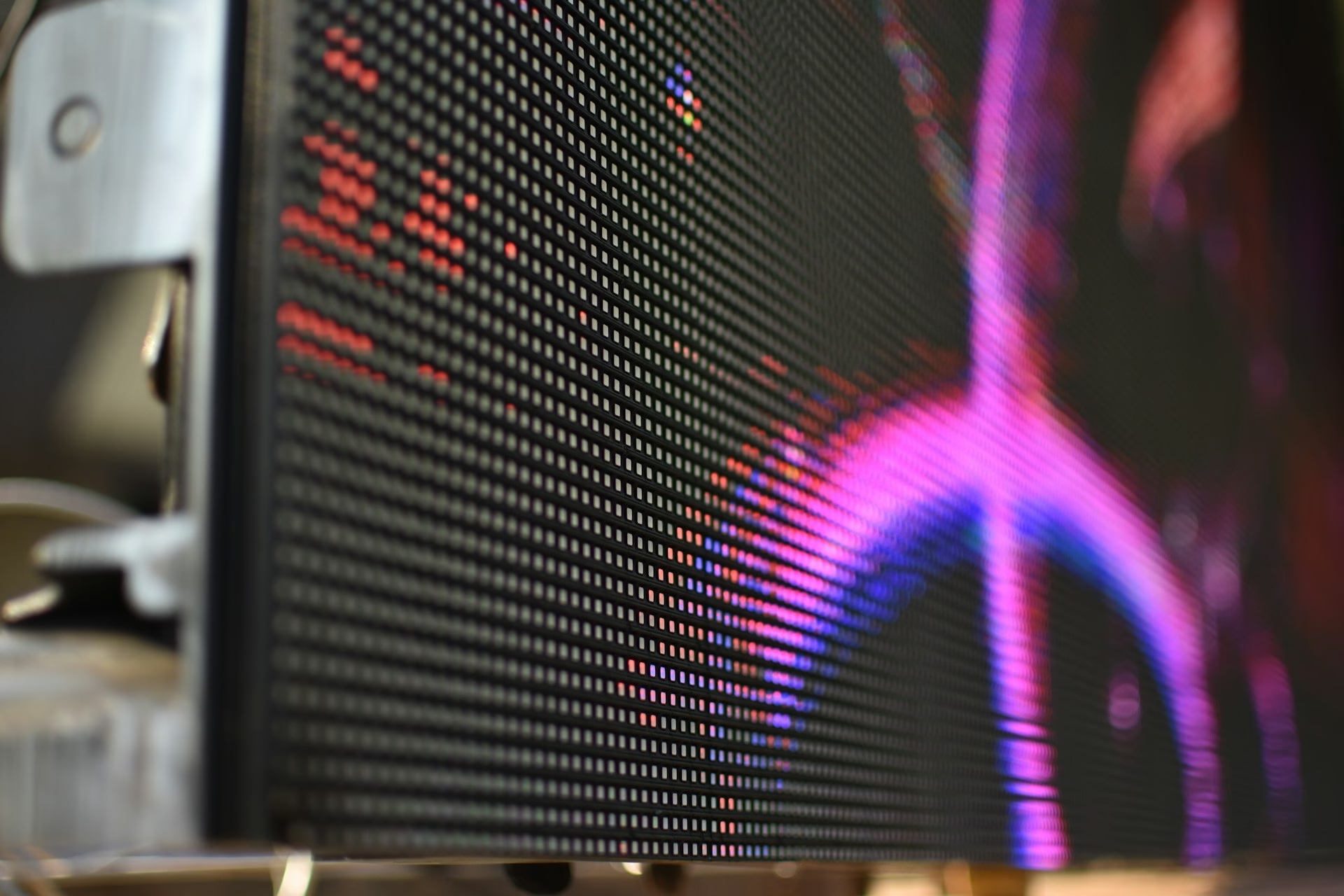
Neoti’s indoor LED video displays are available in a range of fine pixel pitches and panel sizes, with black surface-mount LEDs and high refresh rates that help maximize clarity and uniformity even as ambient light changes.
Placement Makes a Big Difference
Even with great features, a display can’t do its job if it’s placed poorly. The way a screen is mounted or angled in a room has a huge impact on how helpful it really is.
Here are some simple ways we make sure screens are placed smartly:
• Keep displays out of direct sunlight, which can wash out the image or make the screen too hot
• Avoid areas where strong lights shine directly onto the screen surface, causing sharp glare
• Mount the screen at eye level when you can, so people don’t need to crane their necks or stretch to see the screen clearly
These small choices help people stay comfortable and focused when using the display. Whether someone is sitting still in a lobby or passing by in a hallway, the screen should meet their eyes naturally. That’s what keeps communication smooth and clear inside any building. If a sign is too high or too low, people might ignore it. Picking the right spot for the display helps the message reach more eyes.
For example, in wide rooms with windows on one side, it may help to mount screens on the opposite wall to reduce glare. Or, in busy waiting areas, placing displays above and behind seating can make them easy to find at a glance. No matter the space, the right placement makes screens more useful.
Keeping Things Clear in Shared Spaces
Public or shared areas like building entrances, conference centers, or employee lounges often have more glass and more foot traffic. That combination means light bounces around more, and people come at the screen from different directions throughout the day.
In spots like these, even the best-mounted display could lose impact unless it’s made for wider viewing conditions.
We focus on features such as:
• Wide viewing angles, so the screen looks the same from the side as it does from the front
• Steady brightness that doesn’t rely only on whoever is standing directly in front
• Backlighting that supports clear visuals even as natural light changes minute to minute
Displays in shared spaces need to be ready for everything. Morning sunlight, fast-moving foot traffic, indoor light spills, and people glancing from multiple directions all put pressure on that screen to stay visible and helpful. When we plan with that in mind, shared areas become easier to move through and interact in, without frustration or missed info.
In busy settings, people often only look at screens for a moment, so quick and clear messages are a must. Smooth visuals, even from a distance or off to the side, keep people up to speed. Shared spaces benefit the most from screens that look good from every viewpoint, in every part of the day.
Neoti’s displays are used in settings such as control rooms, lobbies, meeting spaces, and event venues, with service and support from a US-based team that helps optimize placement to get the best viewing for every location.
Seeing the Bigger Picture with Bright, Reliable Displays
A well-placed screen with the right setup keeps a space running smoothly. Displays aren’t just tools for announcements or directions. They help people find their way, read alerts quickly, or check schedules without having to stop and adjust their view.
When indoor displays can adjust to changing light, everything else feels easier. No one’s squinting at a washed-out screen or guessing at what it says. The space works better for them day and night, in summer brightness or on a gray winter morning.
By thinking through placement, features, and how a room’s light moves, we can help our displays stay helpful through every type of day.
At Neoti, we believe the best displays perform seamlessly no matter how the lighting changes. That’s why our screens are built to handle sun shifts, glare, and dynamic room setups with ease. In busy or shared environments, bright visuals and wide viewing angles help everyone stay informed easily. When your space needs clear messaging that lasts all day, check out our indoor displays. Let’s connect and talk about the right solution for your needs today.
Experience the seamless integration of modern technology with Neoti’s indoor displays. Our solutions are designed to adapt to changing light conditions, ensuring clear, readable messages throughout the day. With superior brightness and wide viewing angles, our displays make information accessible from any position in the room. Connect with us to explore how our tailored solutions can enhance your spaces and keep communication flowing effortlessly.