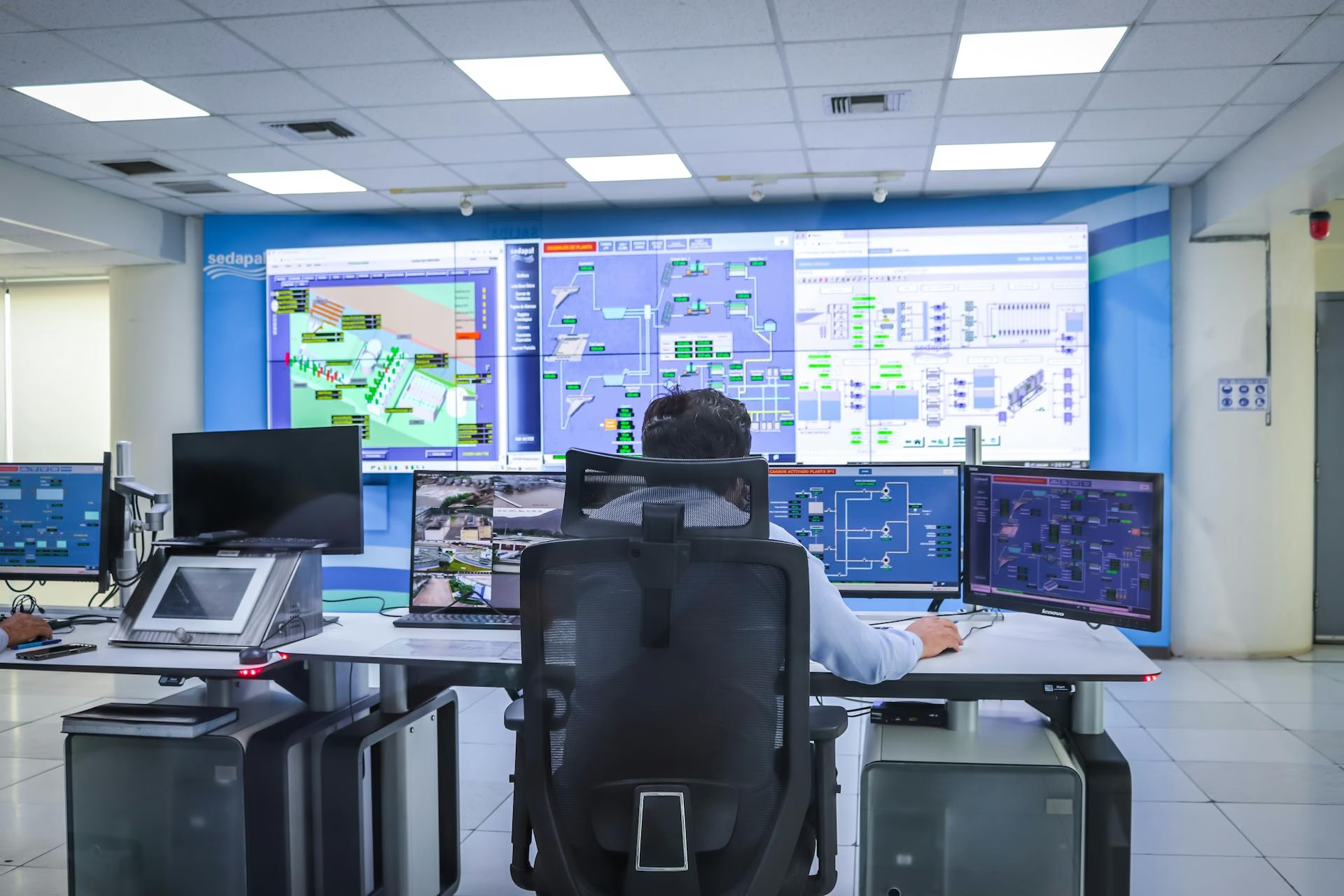
Control rooms keep things moving. Whether the task is monitoring live broadcasts or responding to emergencies, these teams rely on displays that update fast and are always clear to read. That’s why screen setup isn’t something to rush.
A smart LED video wall installation starts long before any panel goes up. It takes talking, measuring, and thinking ahead. These displays are showing up more in new control rooms because they can pull in lots of data, look sharp from across the room, and work around the clock. But getting it right takes planning that matches the space and the way people work inside it.
Thinking About the Room’s Purpose
Not every control room looks the same, and not every team uses screens in the same way. A traffic center filled with live camera feeds isn’t going to have the same setup as a network studio following a timing script down to the second.
That’s why we always start by asking about the job. What do people in the room watch most? Do they switch layouts often? Sit in rows or stand at stations? Each answer points us toward better layout and screen design.
• A broadcast control room may need displays grouped for fast switching
• Emergency centers often show maps, dashboards, or weather feeds
• Long work shifts mean displays must be low-glare and easy on the eyes
• Rooms with tight timelines rely on displays that work without delay
More than anything, the screen plan needs to support decisions made quickly, sometimes during high-pressure moments. That’s when comfort, sharp text, and smart placement matter most.
Planning Screen Size and Shape
Control rooms don’t always follow typical room shapes. Some are made long, with seats stretched across in a line. Others curve slightly around desks or use stacked workstations in tight corners. So when planning display size and shape, the room really drives a lot of the choices.
We look at three points early on.
1. Viewing distance helps decide pixel pitch and screen resolution
2. Wall space affects how many panels fit and how they attach
3. Seating layout shows where screens should go so everyone has a clear view
LED panels are modular, which helps us work around tricky wall sizes or angles. If the room has columns or low ceilings, we can still build around those using flexible screens that form clean shapes. At the end of the day, no one in the room should miss a piece of key info because their screen was too far away or partly blocked.
Making the Display Easy to Read Anytime
The right screen features can make long shifts more manageable, especially when the room never goes dark. When planning an LED video wall installation, it helps to look closely at what the light inside the room will do throughout the day. Bright windows, overhead task lighting, or reflective surfaces nearby can change how clear a screen looks.
That’s why we focus on displays with great contrast, the right amount of brightness, and dependable resolution. These features are more than just tech specs, they impact how tired people’s eyes get six hours into the workday.
• High resolution makes small text crisp even from across the room
• Strong contrast separates colors so nothing blends or fades
• Wide viewing angles ensure someone standing off-center still sees clearly
• Adjustable brightness helps match tricky light conditions
If a screen is too dim or harsh, that’s something a control room user will notice much faster than anyone sitting in a regular office.
Planning for Live Updates and Content Control
A good control room display doesn’t just show a pretty picture, it has to change fast, stay in sync with real-time events, and display lots of info at once. That means the system behind the screen matters almost as much as the screen itself.
We think ahead to how content is managed. Can it switch layouts without freezing or lag? Can the users change what’s on the screen without calling for help?
• Displays often connect to live cameras, databases, alert systems, or news threads
• Content must update in real time, delays aren’t an option
• Templates for common info layout can save time during fast-moving events
• Simpler control systems help the staff adjust things without extra training
The less people have to think about how to show something, the more energy they can spend handling what happens in the moment.
Getting the Infrastructure Right Early
There’s more to planning than choosing screens. Behind the wall, we make space for power, cooling, and physical support. These things may not be visible on opening day, but they help the setup stay reliable long term.
Bigger and brighter screens use more electricity. They also give off heat, which can build up if the room is small or tightly packed.
• We plan cable runs during early build stages to avoid tangles
• Power loads should be balanced with other systems in the room
• Ventilation routes get thought through so the space stays cool
• Mounting structure connects tightly to wall framing
If that kind of planning gets skipped, it can lead to trouble later. A screen overheating or a weak wall anchor can interrupt work in a way that’s hard to fix once the room is in full use.
We specialize in high-quality direct-view LED displays with fine pixel pitch, designed for demanding mission-critical control environments. Our custom-built solutions and service options help fit your unique space, whether for network operations, utilities, transit, or emergency command rooms.
Bringing the Right Tech Into a High-Stakes Space
What we build into a control room doesn’t just stay in the background. The design and setup of an LED video wall can actually affect how fast teams respond, how clearly they communicate, and how well they work under pressure. That’s why careful planning from the start makes such a difference.
Every room brings its own limits and needs. Some have ceilings that force screen height limits. Others need quieter tech or lower light output. When we match our install choices to the people using the space, we help make the room work better from the moment it opens.
A well-planned display lets info flow, keeps stress levels down, and helps crews stay focused on what matters. Planning ahead isn’t extra, it’s part of what makes the whole control room stronger.
Prepare Your Control Room for Success
Every control room operates differently, which is why planning the right layout from the start matters so much. From screen angles to lighting and wiring, a well-designed setup helps your team stay focused and respond efficiently. When it’s time to update or build out your space, consider how your displays will support your daily decision-making. Neoti can guide your next LED video wall installation to ensure it meets your needs from the ground up. Contact us today to get started.